How to Learn a Language in a Fast and Easy Way
Why Learning a Language Feels Hard (and How you can Make It Easier)
Italian slang shows how people really speak in everyday life, on the streets, online, and among friends
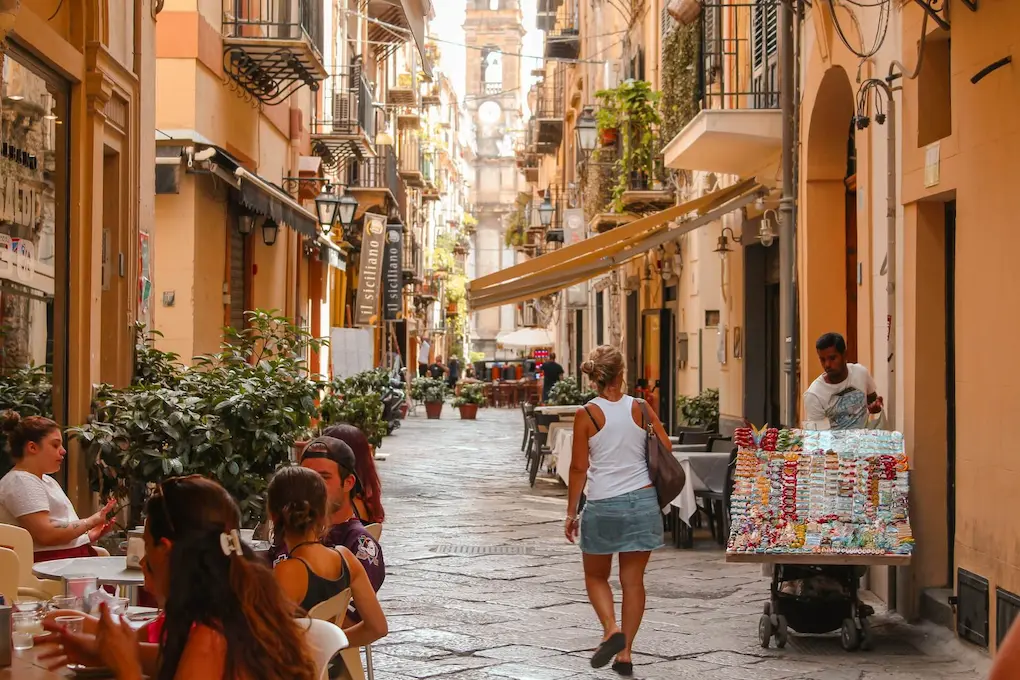
If you’ve ever watched an Italian movie, stopped by a Roman café, or tried to blend in on the streets of Naples, you’ve probably noticed something: textbook Italian doesn’t quite match how people actually speak. That’s because real Italian is full of slang phrases that locals use every day.
Whether you're learning Italian, traveling to Italy, or just want to impress your Italian friends, understanding slang can help you sound more authentic and avoid any embarrassing mix-ups. Slang is an essential part of any living language. It adds flavor, emotion, and personality to everyday conversations.
Below is a curated list of must-know Italian slang terms that will take your Italian to the next level.
Dai is a very common and versatile word in spoken Italian. It comes from the verb dare and is used when people want to encourage someone or push them to do something.
Dai, vieni anche tu alla festa, sarà divertente!
Come on, you should come to the party too, it'll be fun!
Ma dai, non ci credo che hai vinto alla lotteria!
No way, I can’t believe you won the lottery!
Boh is a very informal expression you can use when you don’t know something, so it is the equivalent of standard Italian "I don’t know."
Boh, forse ci vado domani.
I don’t know, maybe I’ll go tomorrow.
Mi ha detto una cosa strana… boh, non ci ho capito niente.
He told me something weird... I don’t know, I didn’t get it.
Sbirri is the slang term for cops. Like all colloquial expressions used to describe police officers, pay attention with this one because it can sound offensive.
Occhio, stanno arrivando gli sbirri!
Watch out, the cops are coming!
Gli sbirri hanno fatto un controllo a sorpresa.
The cops did a surprise check.
Raga is the shortening of the word ragazzi (boys or guys) and is often used when you are talking to a group of people, even if there are women among them.
Raga, ci vediamo stasera in piazza?
Guys, are we meeting in the square tonight?
Oh raga, avete sentito l’ultima su Marco?
Hey guys, did you hear the latest about Marco?
Sciallo can be translated in many different ways, like chill, calm.
Mi faccio una serata scialla sul divano.
I’m having a chill night on the couch.
Prendila scialla, non è la fine del mondo!
Take it easy, it’s not the end of the world!
Figo literally means fig, and is used when something is great or cool.
Quel film è stato davvero figo!
That movie was really cool!
Hai visto che macchina figa si è comprato?
Did you see the cool car he bought?
When something is a figata, it means that it is really cool.
La gita a Berlino è stata una figata!
The trip to Berlin was awesome!
Questo locale è una figata.
This place is super cool.
If figo means cool, the word sfigato on the other side means bad luck, while a sfigato is an unlucky person.
Che sfiga oggi, tutto va storto!
What bad luck today, everything’s going wrong!
Una sfiga continua...
Constant bad luck…
Sclerare means to freak out; in other words, when something makes you mad, and you just can’t handle it anymore, and you explode.
Mia madre ha sclerato per il disordine.
My mom freaked out over the mess.
Se continuo a studiare così, sclero.
If I keep studying like this, I’m gonna lose it.
Sbroccare is very similar to sclerare, and you can use it in the same way.
Ha sbroccato quando ha visto la macchina rigata.
He lost it when he saw the car scratched.
Il prof ha sbroccato con la classe.
The teacher totally lost it with the class.
La grana is a slang term for money. It has the same origin as the Italian word grano (wheat).
Serve un po’ di grana per riparare l’auto.
We need some money to fix the car.
Ha fatto un sacco di grana con quel lavoro.
He made a lot of money with that job.
Mi tocca is an Italian expression from the verb toccare ("to touch”), but in this phrase it usually means I have to, and is used when you have to do something you don’t want to do.
Mi tocca studiare tutto il weekend.
I have to study all weekend.
Mi tocca lavorare anche domani.
I have to work tomorrow too.
You can use this expression when you are mad about the behaviour of someone.
Falla finita con queste scenate!
Stop with the drama!
Falla finita, stai esagerando.
Cut it out, you’re overreacting.
Literally, tirare il pacco means to throw the package, but it is used when someone doesn’t show up to a meeting or event.
Giulia mi ha tirato il pacco.
Giulia stood me up.
Non tirarmi il pacco stavolta!
Don’t bail on me this time!
Sbronza is a word that means being drunk or having a hangover, depending on context.
Che sbronza mi sono preso!
What a hangover I got!
Era già in sbronza dopo tre birre.
He was already drunk after three beers.
Beccato derives from the verb beccare and is used when someone is caught doing something bad that they should not do.
Mi hanno beccato a copiare.
They caught me cheating.
È stato beccato a rubare.
He got caught stealing.
When you are broke without any money, you are al verde. Literally, it can be translated as "on the green."
Questo mese sono al verde.
I’m broke this month.
È sempre al verde.
He’s always broke.
In everyday Italian, tizio means some guy, and is especially used when you don’t know or don’t want to specify the person.
C’era un tizio strano fuori dal bar che parlava da solo.
There was some weird guy outside the bar talking to himself.
Quel tizio non mi convince, ha qualcosa di losco.
I don’t trust that guy, there’s something shady about him.
Che culo is used as an exclamation to say "what luck!" but pay attention, it literally translates as "what an ass," so it can lead to misconceptions.
Hai vinto ancora? Che culo!
You won again? What luck!
Che culo trovare parcheggio!
Lucky to find a parking spot!
Fregarsene is another Italian informal expression, and it basically means to not care or to not give a damn about something.
Se ne frega di tutto.
He doesn’t care about anything.
Non puoi fregartene così.
You can’t just not care like that.
Why Learning a Language Feels Hard (and How you can Make It Easier)
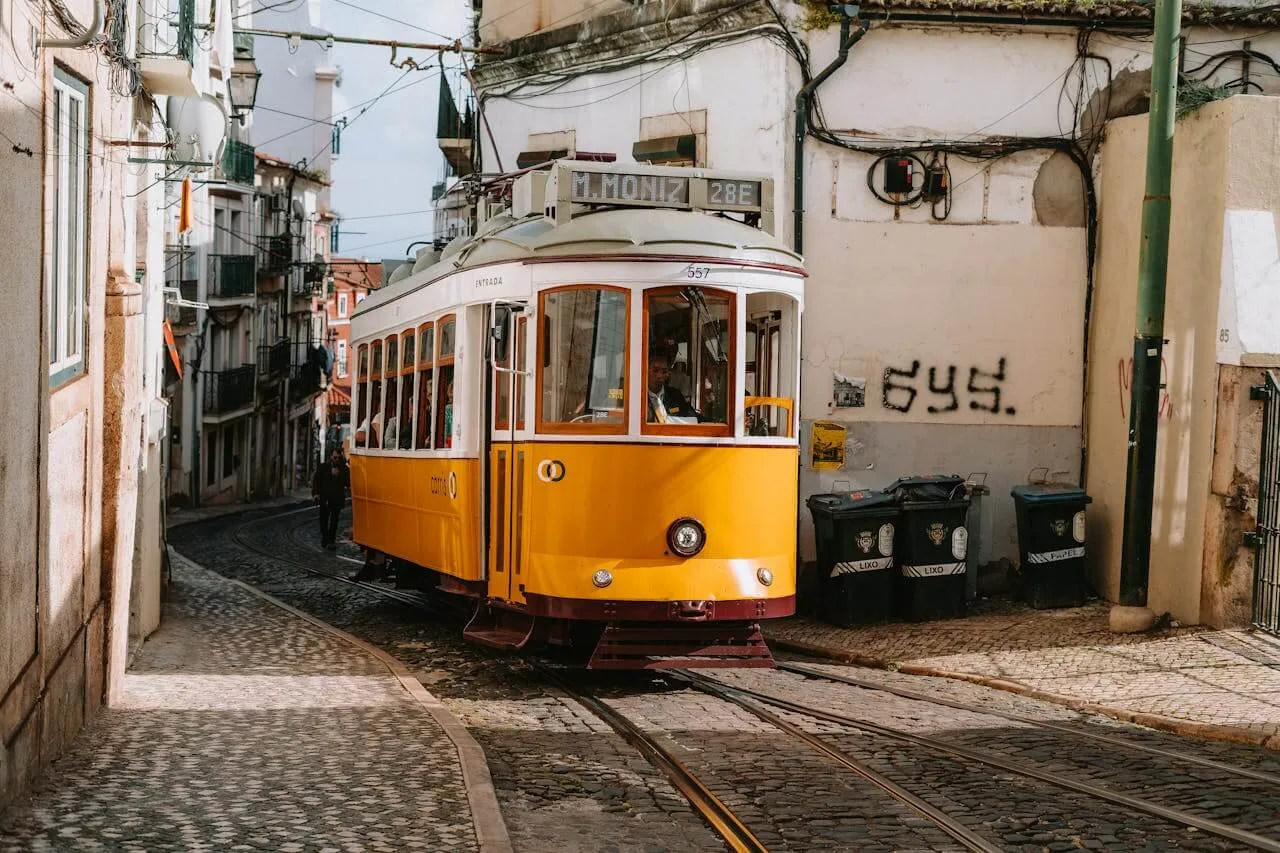
In this blog post, we’ll take a closer look at the countries where Portuguese is spoken and explore their unique cultures and histories.
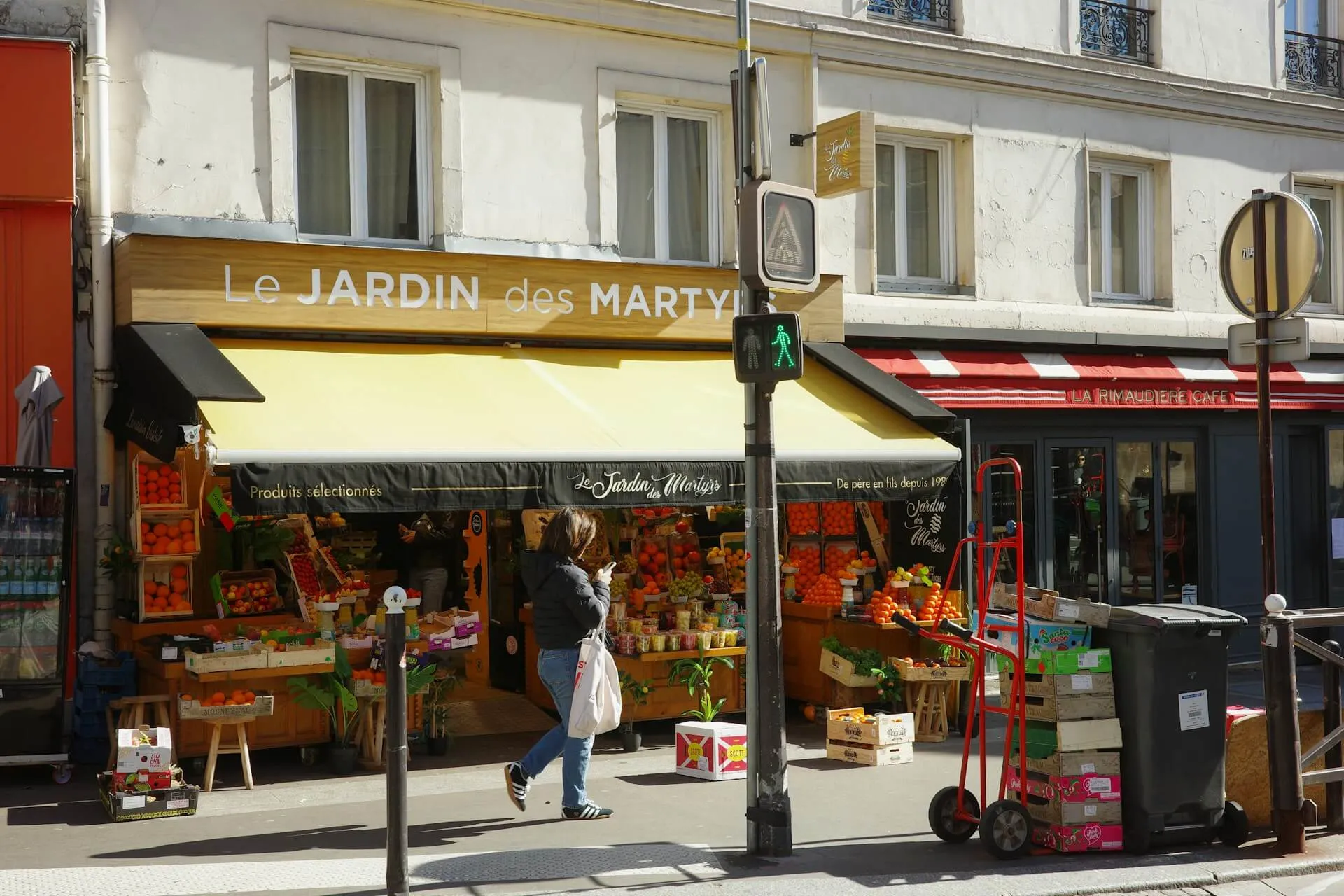
Explore the French language and discover the many countries around the world where people speak it today
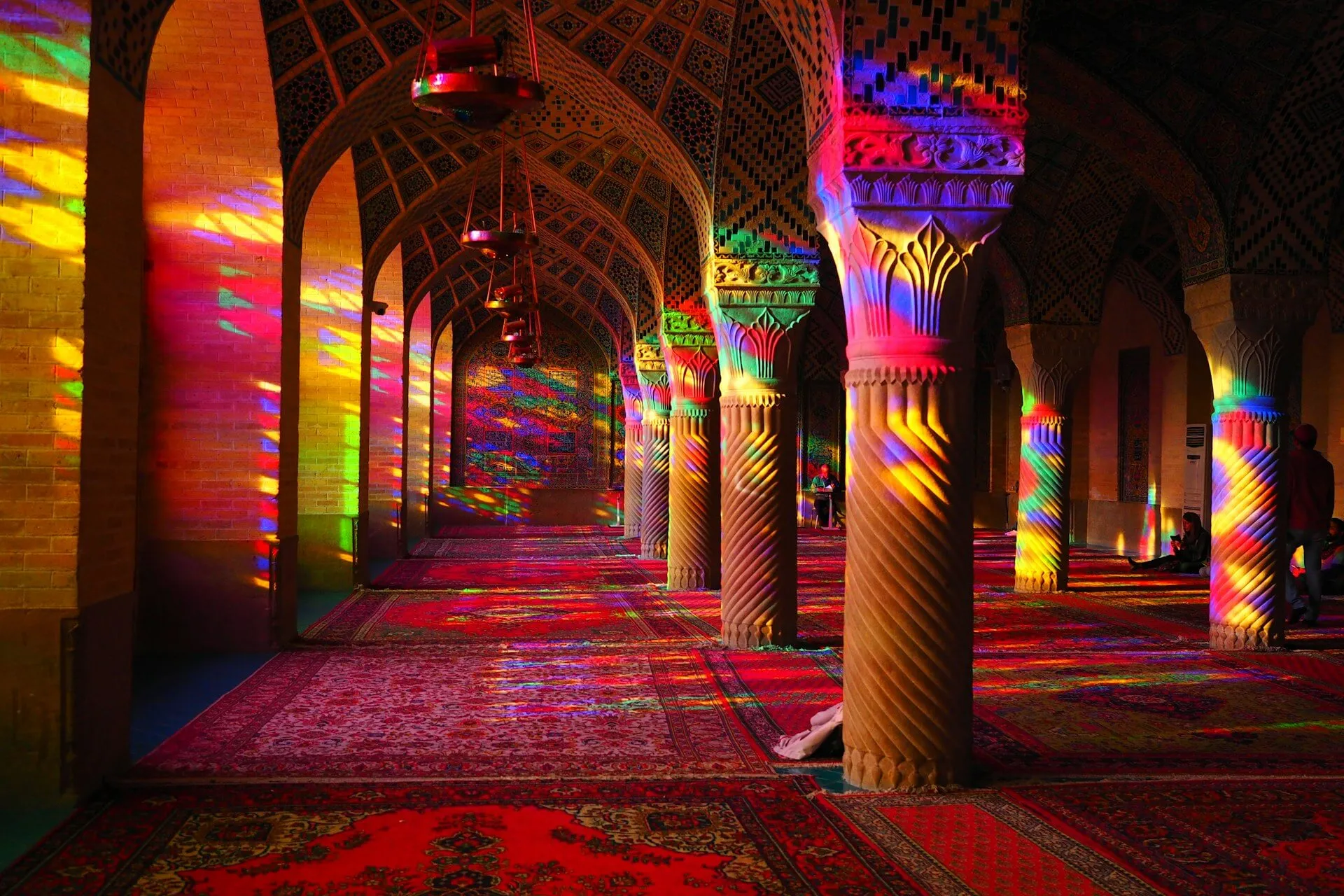
Let’s discover where Persian is spoken around the world and explore the countries where this ancient language is still used today
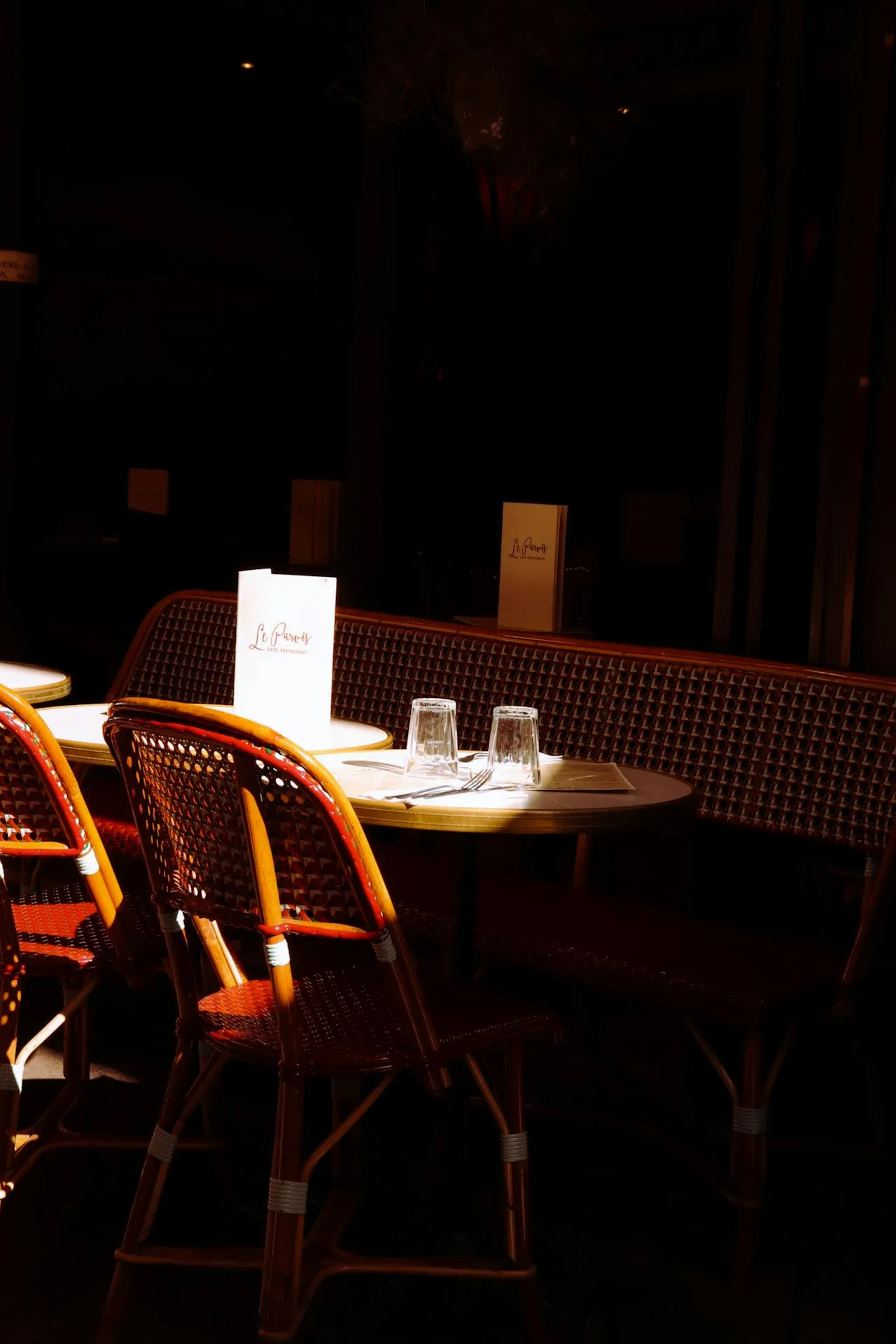
Discover Verlan, a unique slang that is one of the most fascinating features of the French language.