
Is Swedish Language Hard to Learn?
Is Swedish really one of the easiest languages to learn for English speakers?
Learn some of the most unique, funny, and interesting words you can find in the Italian language
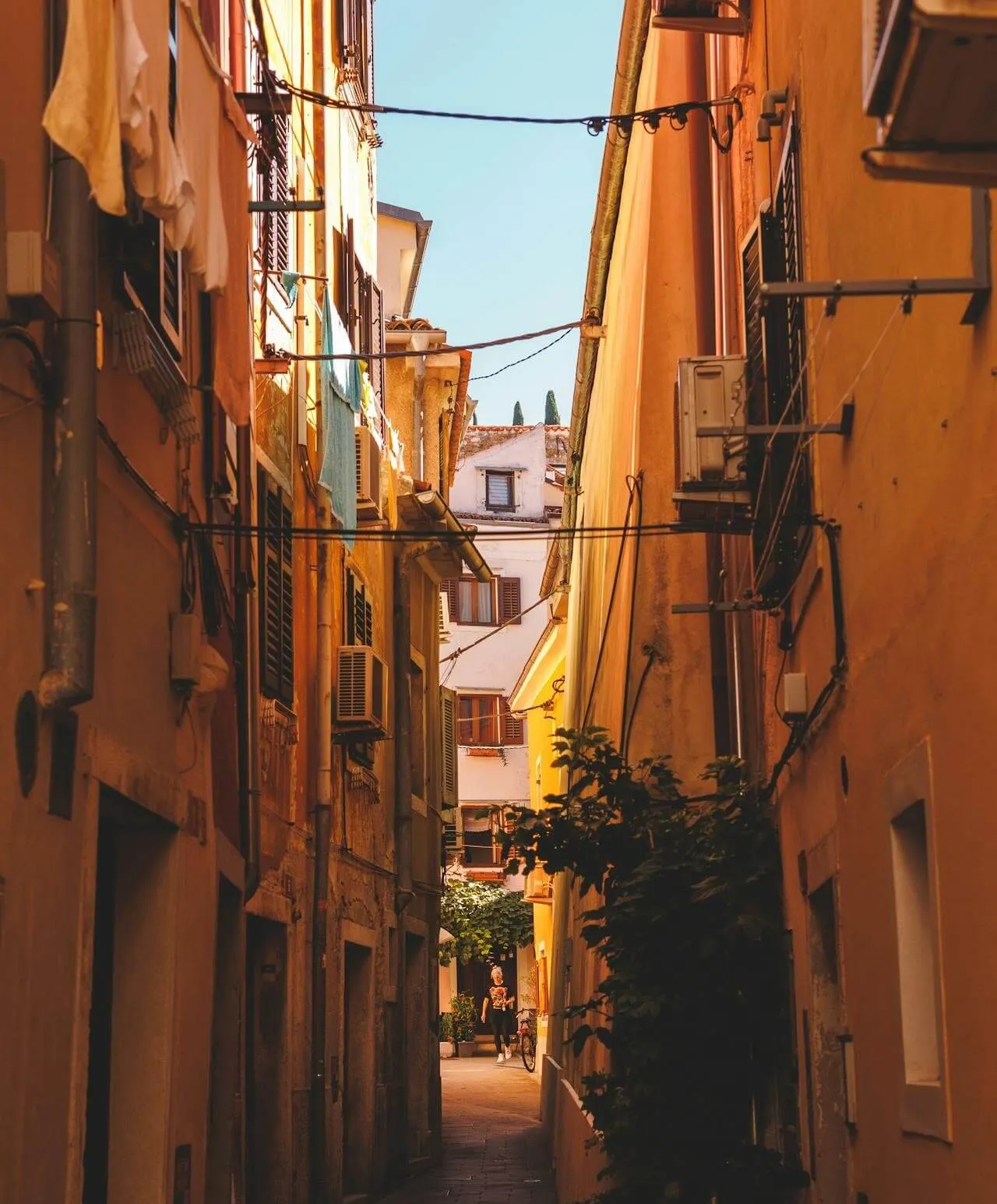
Every language has a list of words with a special and funny meaning that are difficult to translate into other languages, and Italian has a lot of them. In this blog, I collected those that I believe are the most interesting and surprising.
Gufare in Italian literally means to curse someone’s luck. For example, if someone says Non gufare! it means Don’t bring bad luck! It comes from the word gufo (owl), which in Italian folklore is associated with bad luck.
A gattara is an unmarried woman, generally a bit elderly, who lives alone with a lot of cats. This word carries a slightly negative tone, but I think it should actually be the opposite: to become a gattara and possess as many cats as possible is actually a goal people should have in life!
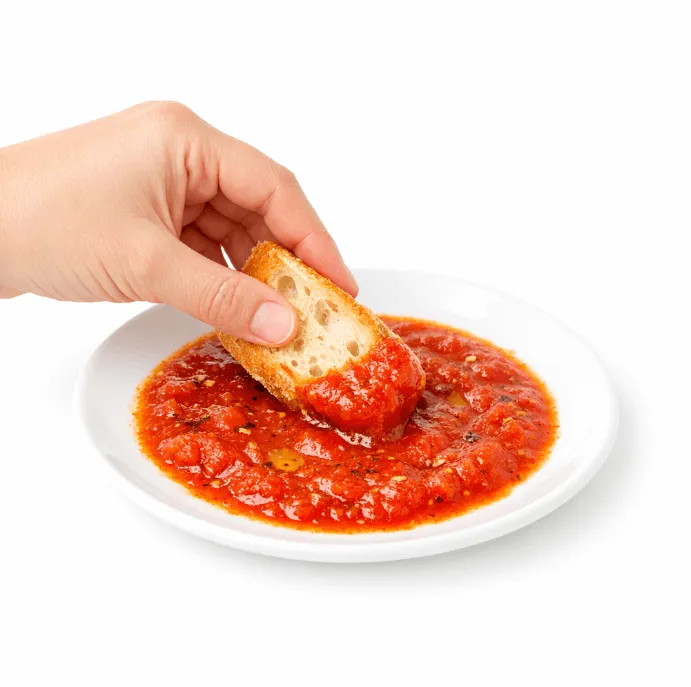
Scarpetta literally means little shoe (from scarpa = shoe + the diminutive -etta). But in everyday Italian, the expression fare la scarpetta means to wipe up the remaining sauce on a plate with a piece of bread and eat it. Even if probably 9 Italians out of 10 do it with a lot of pleasure, it is still considered impolite, especially in public places like restaurants.
Literally, a ricottaro is a person who sells ricotta, a famous Italian soft cheese that people spread on bread or use in many dishes. But in Rome, this word is also used to describe a rude and often uncultured person
The Italian phrase parlare a vanvera means to talk nonsense or to speak without thinking. The origin of this expression is very funny. In fact, the vanvera was a small leather bag noble women used to contain… their fart. Yes, since it was (and is) impolite to fart in front of everyone, people preferred to do it in hiding using this special object, and the expression talking to the vanvera was probably like saying talking to the fart (however, there are also other theories behind the etymology).
The Italian expression fare il portoghese means to avoid paying for something you should pay for, especially entering an event, using transport, or getting a service for free
This expression also has a funny origin. When Manuel I of Portugal gave as a present to the Pope a white Indian elephant called Hanno, to thank him, the Pope declared that all Portuguese people in the city could enter all the bars and theaters for free. Because of this, all the Romans (of course) started pretending to be Portuguese to avoid paying the fee.
The Italian word pigrare comes from the adjective pigro, which means lazy. Therefore, it is used to refer to my favorite activity: being lazy, or avoiding effort or work. Even if it’s not very common in modern standard Italian, and people usually just say essere pigro (to be lazy) instead, you might still hear it sometimes. For example: Ieri ho pigrato tutto il giorno (Yesterday I was lazy all day long)
Strampalato describes something or someone that is bizarre, absurd, far-fetched, or eccentric. Lui ha sempre idee strampalate, he always has bizarre ideas.
Zitella is an old-fashioned term that usually refers to an unmarried woman, often implying that she is older and has remained single. In modern usage, the meaning has slightly changed and is more often used to refer to an irritating old woman.
Paffuto can be translated as chubby, but it is used with a very affectionate tone. For example: Suo figlio è un bambino davvero paffuto (His son is a very chubby boy).
Bighellonare means to wander about doing nothing in particular, basically wasting time without a purpose. It can have a funny or a negative tone depending on the context. Smettila di bighellonare! (Stop doing nothing and help me.)
A pennichella (or pennica) is a short nap people take to recharge themselves. Dopo pranzo ho fatto una pennichella (After lunch, I took a nap).
The Italian word burlone refers to someone who jokes a lot or who loves doing pranks, even if they are not funny. Marco è un vero burlone. Marco loves to joke.
Abbuffarsi is my second favorite activity after pigrare. It means to eat a lot of food in an excessive way, usually until you’re very full. It has the same origin as the French colloquial word buffer, which means to eat, from which the term buffet is also derived.
Another word derived from cacio (cheese, Italians love cheese) and used mostly in Rome, caciara means a very chaotic and noisy situation or environment. In quel bar c’era troppa caciara (There was too much noise in that bar).
Is Swedish really one of the easiest languages to learn for English speakers?
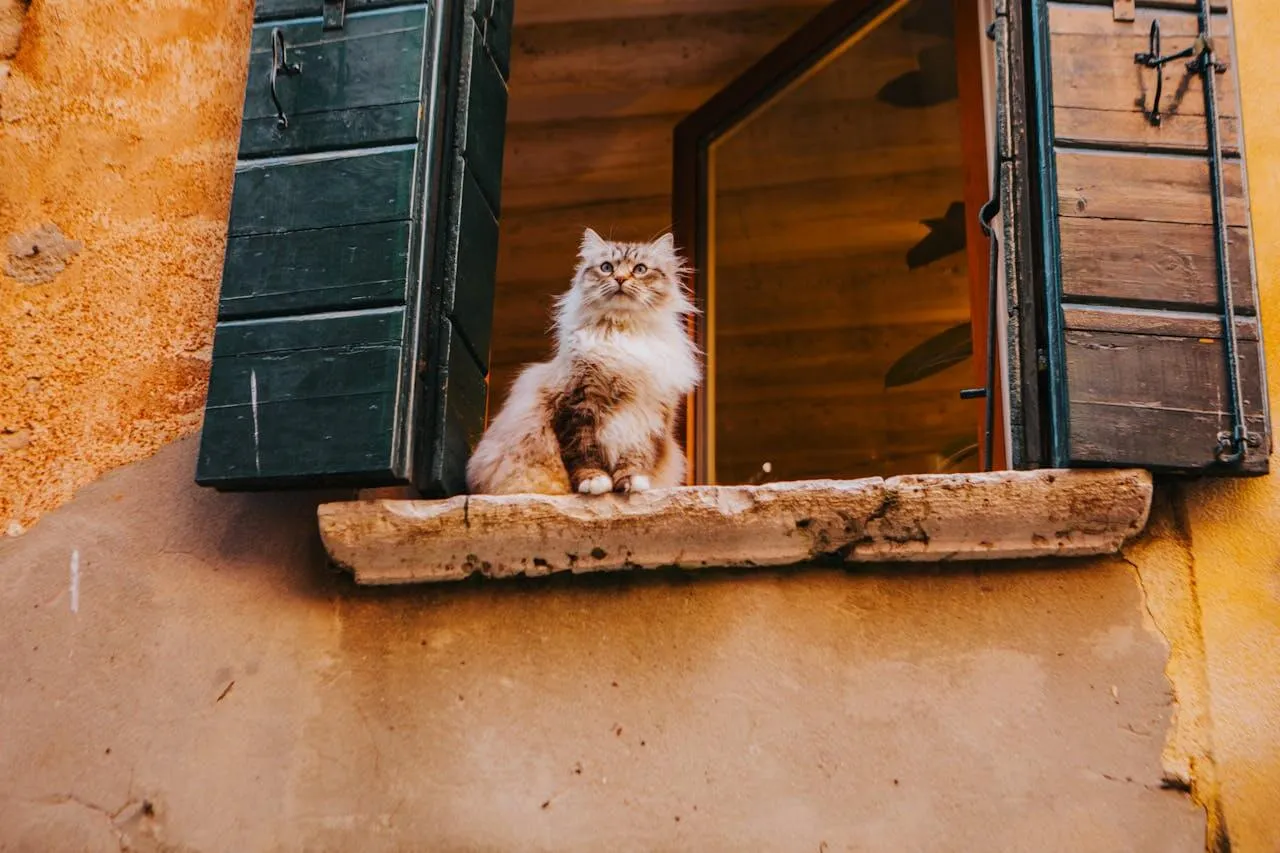
Discover Ligurian, a unique language spoken in Liguria, Monaco, and all around the the world
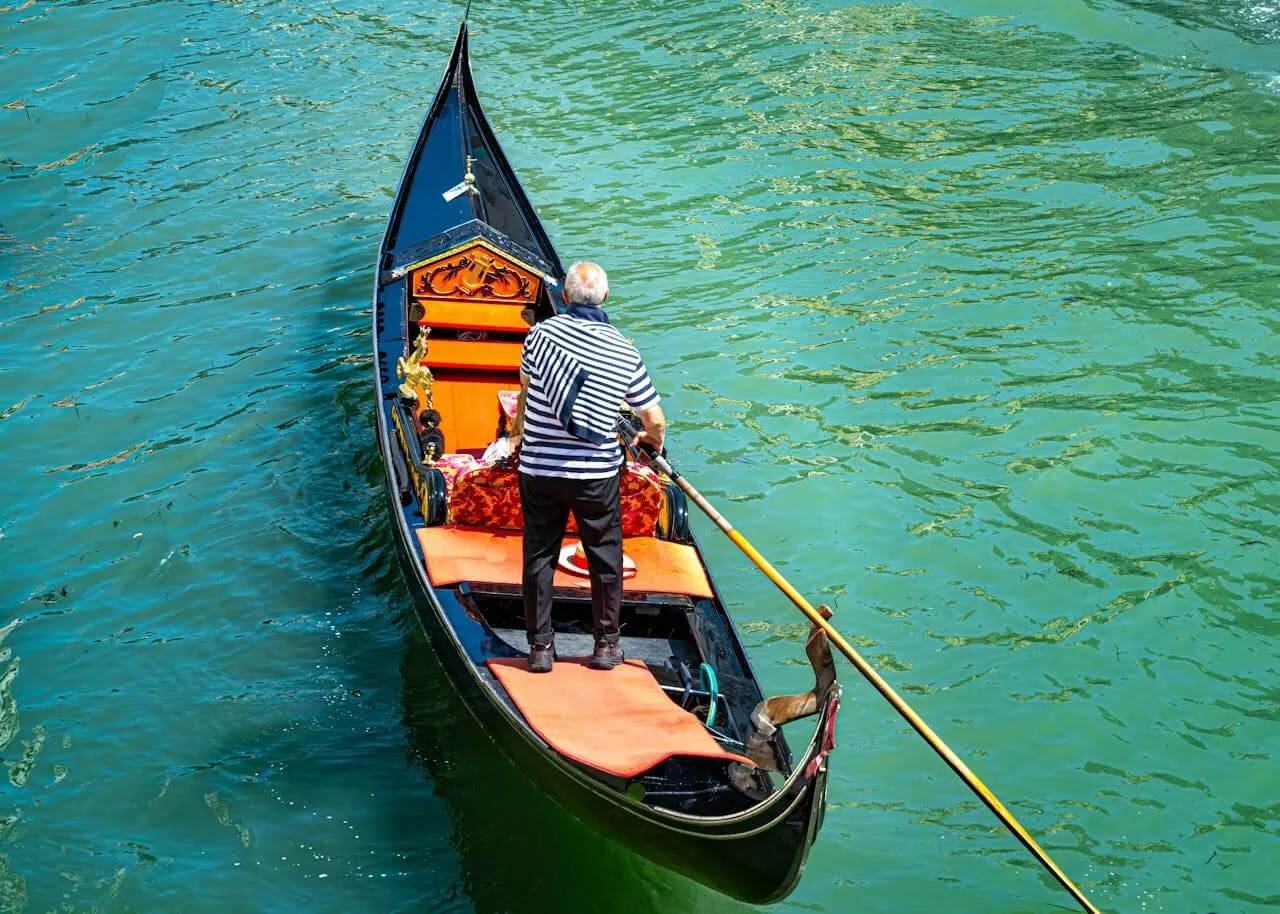
Is Italian a hard language to learn? Discover why it’s actually easy (more or less)

Is French hard to learn? Discover what makes French easy or difficult for English speakers
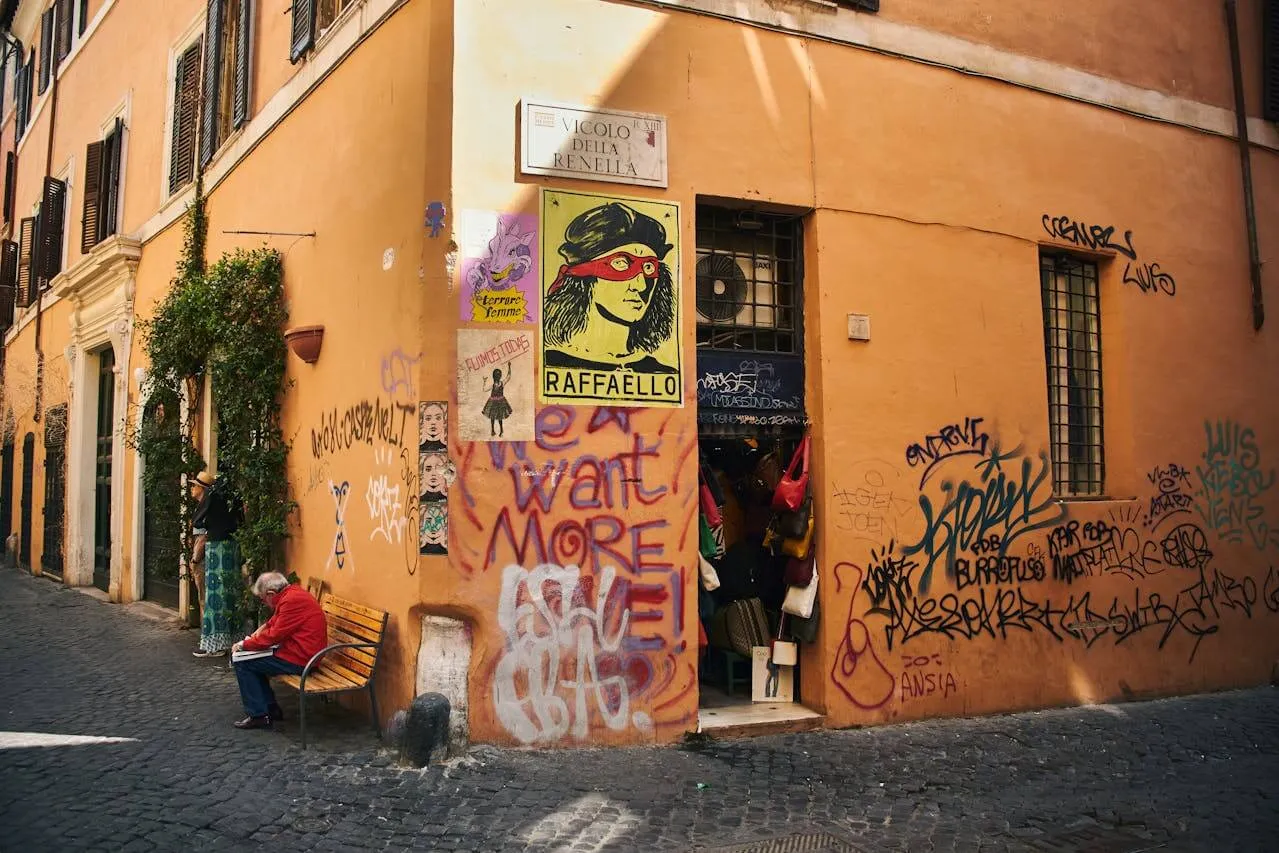
When you think of the Italian language, Italy is likely the first place that comes to mind. However, Italian is spoken in several other countries around the world