

Is Italian Easy or Hard to Learn?
Is Italian a hard language to learn? Discover why it’s actually easy (more or less)
Discover Ligurian, a unique language spoken in Liguria, Monaco, and all around the the world
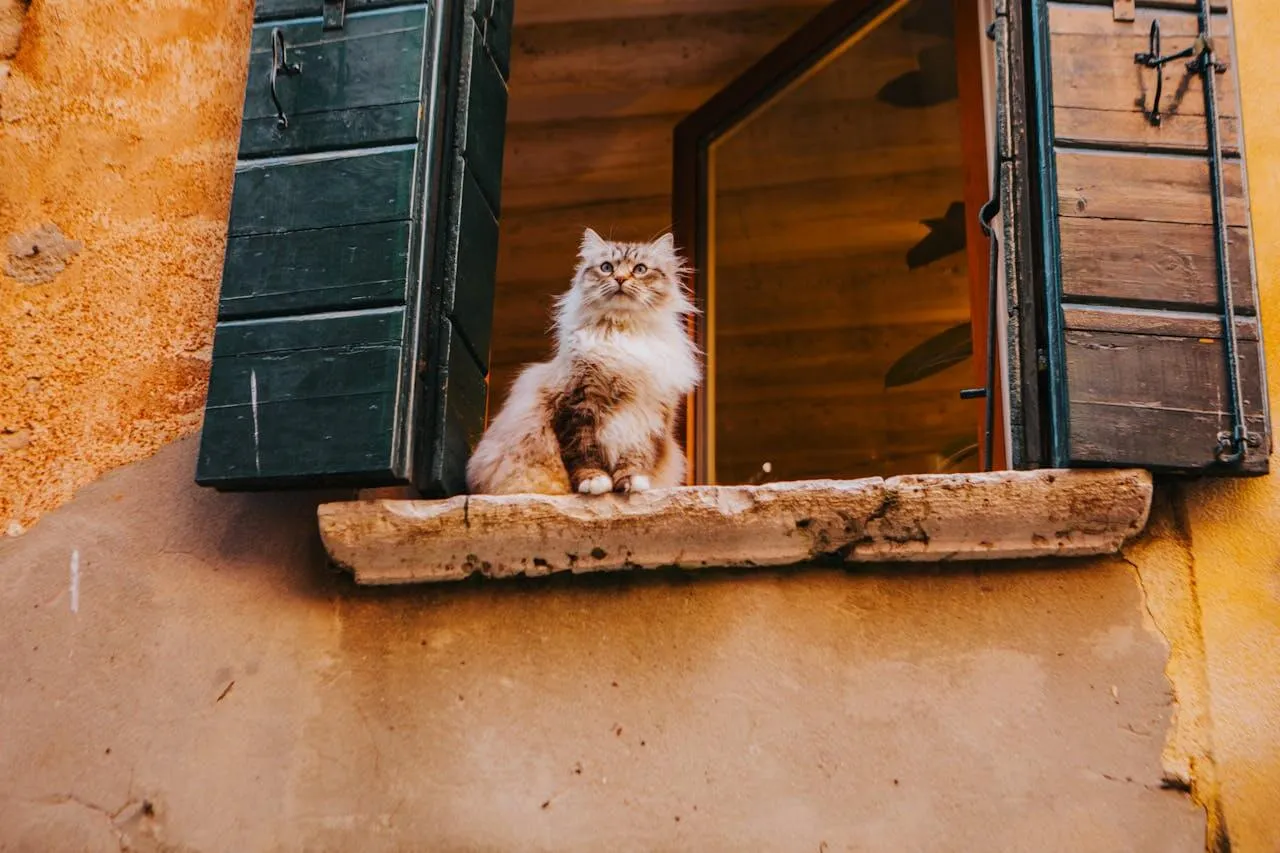
Ligurian is a Romance language primarily spoken in Liguria, a narrow coastal region in northwestern Italy. It lies along the Mediterranean Sea between France and Tuscany. It is known worldwide for its beautiful village hanging on cliffs like the famous Cinque Terre (five eharts) and for being the birthplace of the most delicious sauce ever created, the Pesto alla Genovese
Like it happens with all Italian regional languages and dialect there is a big difference inside Ligurian, so it is better to talk about a group of closely related languages rather than a single uniform one
In fact there are many different varieties of Ligurian,like for example Spezzino that is spoken in La spezia, and Genovese, the variety that is spoken in the capital city of Genoa and that is regarded as the most famous and popular form.
Ligurian is spoken not only in Liguria but also in the neighbouring regions of Piedmont and Emilia, and even abroad!. In fact you can find a variety of ligurian in Provence (France) , in the northern parts of the island of Corsica and in the city of Bonifacio, also in Corsica. And in Sanpietro island, a small island on the coast of Sardinia (where is known as Tabarchino)
Moreover it is spoken in Monaco, the tiny state on the French Riviera, which is known as Monegasque. Even if the most spoken languages of the principality are French and Italian, Monegasque is considered the official language and is still taught in schools today. So that makes likurian one of the few italian regional languages that has an official status in a sovereign country.
Ligurians are a people of migrants. Therefore the Ligurian language isn’t only found in its original home region, you can indeed find it spoken in several other parts of the world. For example In countries like Argentina and Uruguay, Ligurian influenced local speech. In Buenos Aires, a dialect called Cocoliche and certain slang terms show Ligurian roots.
Here are some words and expression in Ligurian you can use (Specifically they are in Genovese dialecg)
| Ligurian | Italian | English |
|---|---|---|
| Ciao / Scciao | Ciao | Hello |
| Bönn-a séia | Ciao / Arrivederci | Goodbye |
| Comme t'ê? / Comme ti stæ? | Come stai? | How are you? |
| Zeneise | Genovese | Genoese |
| Parlo o zeneise? | Parli il genovese? | Do you speak Genoese? |
| Zêna | Genova | Genoa |
| Pe piaxei | Per piacere | Please |
| Graçie | Grazie | Thank you |
| Te veuggio bén | Ti voglio bene | I love you / I wish you well |
| A dònna | La donna | A woman |
| L'òmmo | L'uomo | A man |
| Figgeu (Pronounced: fidjo) | Bambino | Child / Boy |
A few Ligurian words are so popular that Liguarian use them also when they speaking Italian, here are the most common one
Belìn is the most iconic and frequently used exclamation, interjection. Originally it was a vulgar word but now is used to express astonishment or surprise, like the expression Cavolo! In standard Italian. It is so popular that serves as the root for many words and expressions in Genoese, for example:
A foolish action, a mistake, or a trivial thing (Non dire belinàte, Don't talk nonsense).
Gabibbo is a famous red chubby puppet character from Italian television program Striscia la Notizia. But not everyone knows that the name Gabibbo comes from the Genoese dialect and it was originally a slang word used by people in Genoa for arab people, in fact the origin of this name probably come from the arab word Habibi which means my love
This is probably the most funny word of Ligurian, literally besugo is a fix, specifically a type of bream, but is used to refer to a stupid person, or someone who is not the smartest. (if you look at the face of the fish maybe this expression will be more clear to you) There is a feminine counterpart besuga
Traditionally, a camallo is a term used to refer to the working class man who works in the port of Genoa, loading and unloading ships. It is a term that derives from the arab word porter and not form the italian word Cammello (camel) even if they sound very similar
Not original a Ligurian word, a Ciattella in Genoa is a person who like to talk behind other people, in standard italian it would be pettegola or chiaccherona, in other words a woman who really loves gossip
The modern Ligurian language and the ancient language of the Ligures are often confused because they share the same geographic area, but they are not directly related. The language spoken by the Ligures before Roman expansion is still poorly understood today, with only limited evidence surviving in inscriptions and place names. Its classification remains uncertain, and it may have belonged to a completely different linguistic family than the languages spoken in the region today.
In contrast, modern Ligurian developed much later as a Romance language, evolving from the Latin introduced by the Romans after their conquest of the region. As Latin spread and became dominant, the earlier language of the Ligures gradually disappeared. Over time, spoken Latin changed and diversified, eventually giving rise to Ligurian and other regional languages.
Is Italian a hard language to learn? Discover why it’s actually easy (more or less)

Is French hard to learn? Discover what makes French easy or difficult for English speakers
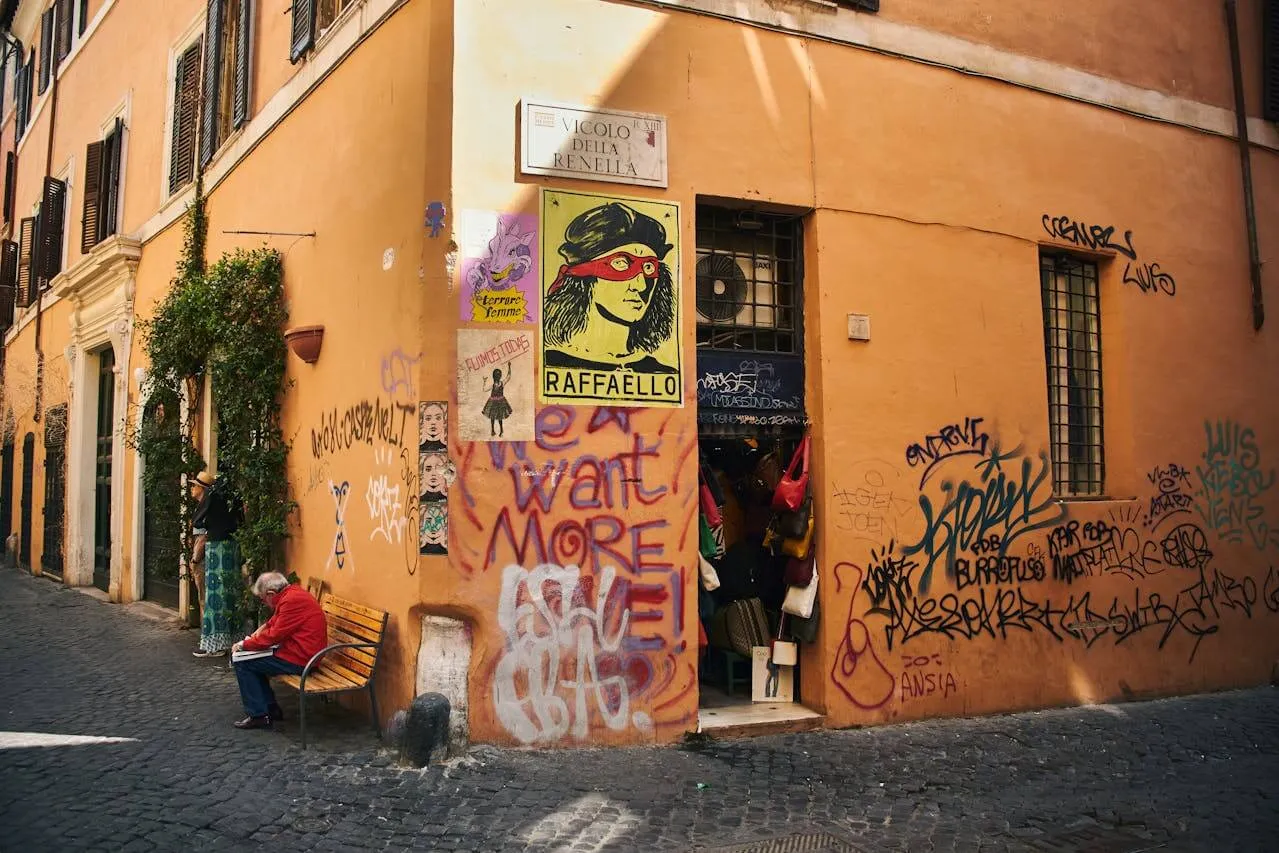
When you think of the Italian language, Italy is likely the first place that comes to mind. However, Italian is spoken in several other countries around the world

When you think of the Italian language, Italy is likely the first place that comes to mind. However, Italian is spoken in several other countries around the world
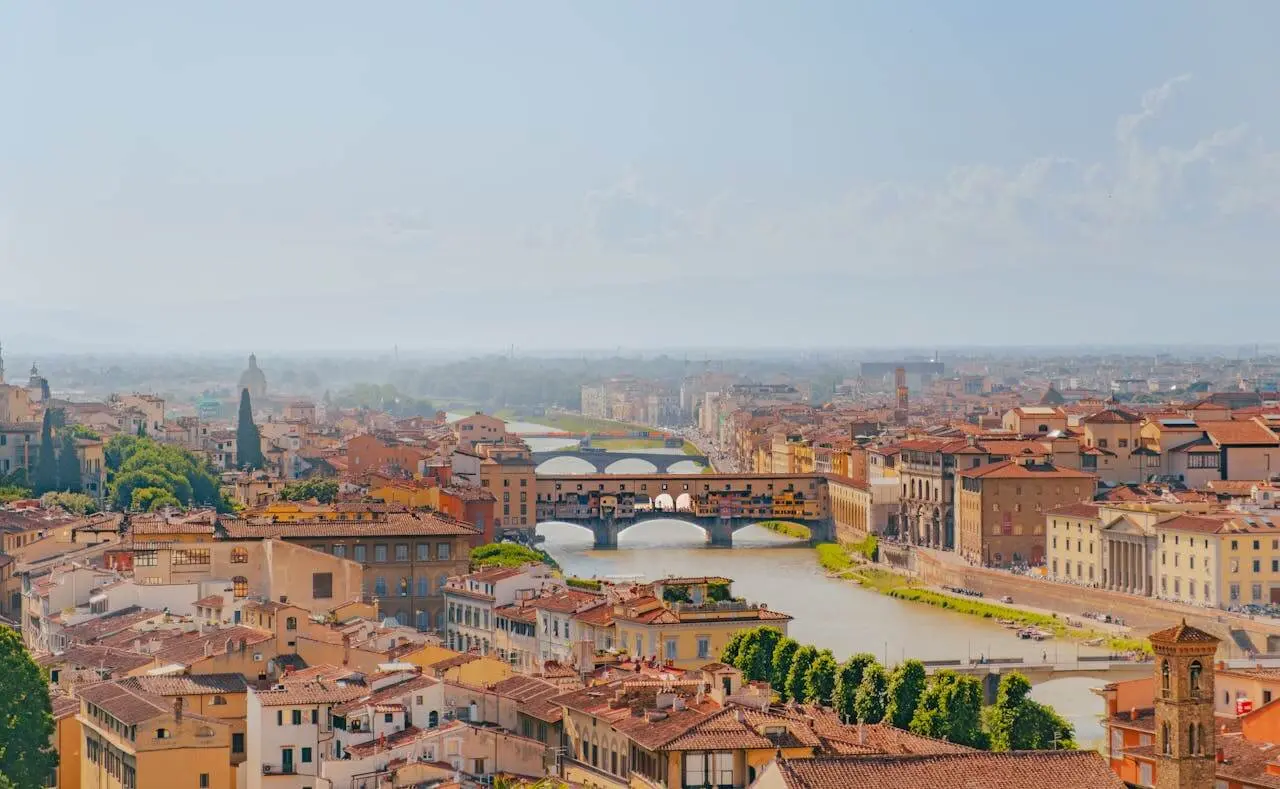
Tuscan is the language of the beautiful region of Tuscany and is not only a dialect but also the language on which modern Italian is based